Skip to content


An eye test does more than check whether you need glasses. It can help assess your vision and identify signs of certain eye conditions, sometimes before you notice changes yourself. If you are arranging an Eye Examination at Acocks Green, knowing what to expect can make the experience feel easier and more comfortable.
Whether you wear glasses, use contact lenses or have no current vision concerns, regular eye care is an important part of looking after your sight.
Why Are Regular Eye Examinations Important?
Your vision can change gradually, so you may not immediately notice a difference. An eye examination checks how clearly you see and allows an optometrist to assess the health of your eyes.
Depending on your age, symptoms, and personal circumstances, an examination may help identify signs associated with conditions such as cataracts, glaucoma, and other eye problems.
Your optometrist may recommend more frequent appointments if your eye health or vision requires closer monitoring. Follow the advice you receive rather than relying on a fixed schedule for everyone.
What Happens During an Eye Test?
If you have wondered what happens during an eye test, the exact steps can vary according to your needs, but an appointment usually includes several checks.
1. Questions about your vision and health
The optometrist may ask whether you have noticed blurred vision, headaches, eye strain, or difficulty seeing at certain distances.
They may also ask about your medical history, medication, family history of eye conditions, and whether you currently wear glasses or contact lenses.
Answer as accurately as you can. These details help the optometrist decide which assessments are appropriate.
2. Checking your vision
You may be asked to read letters or symbols from a chart. The optometrist checks how clearly you can see at different distances.
If you already wear glasses, take them to the appointment. Your current prescription can be checked against your vision needs.
3. Measuring your prescription
The optometrist may use different lenses or equipment to find out whether a prescription could improve your sight.
You might be asked which of two lens options makes the letters look clearer. There are no right or wrong answers to these questions; your responses help the optometrist assess your vision.
4. Examining the health of your eyes
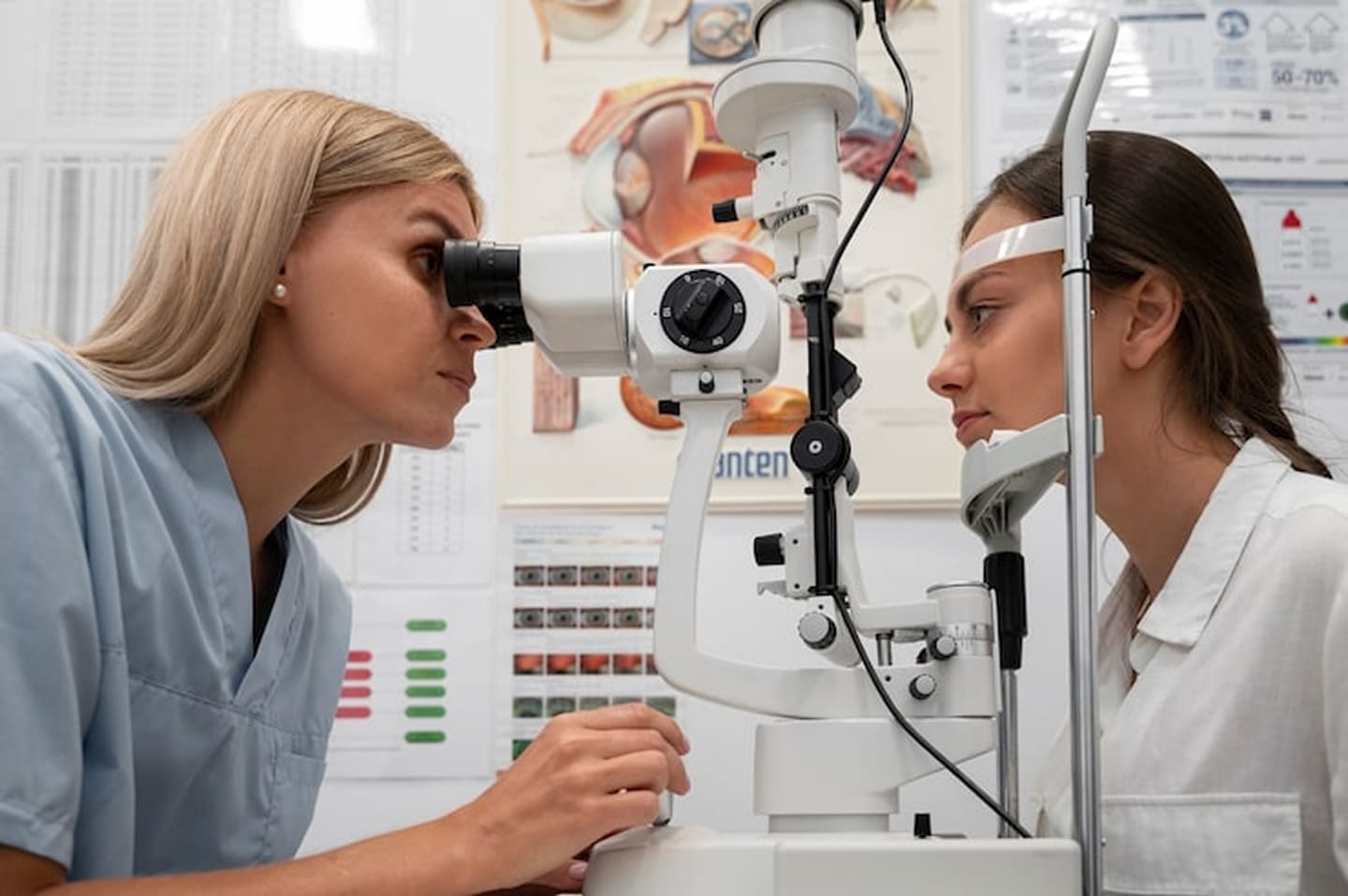
An important part of the eye examination process is checking the structures of your eyes. The optometrist may use a light and specialist instruments to examine the front and back of each eye.
These checks can help identify signs of eye conditions that may not cause noticeable symptoms in their early stages.
5. Additional tests when needed
Depending on your age, symptoms and risk factors, your optometrist may carry out additional assessments. These could include checking eye pressure or using imaging equipment to examine particular structures inside your eyes.
Not every patient needs every test. Your optometrist will explain which checks are suitable for you.
What Is Included in an Eye Test?
Many people ask what is included in an eye test because they want to know whether the appointment covers both vision and eye health.
A routine examination may include:
- Questions about your eyesight and medical history.
- Checks of visual clarity.
- Assessment of your prescription.
- Examination of the external and internal structures of your eyes.
- Further tests where clinically appropriate.
- Advice about glasses, contact lenses, eye health or follow-up care.
The exact checks depend on your circumstances. If the optometrist notices something that needs further investigation, they may recommend additional tests or refer you to another eye care service. Knowing how often you should have an eye test can also help you maintain regular eye care.
What Is a Comprehensive Eye Examination?
A comprehensive eye examination assesses your vision and the health of your eyes. It is not simply a quick check to see whether you need stronger glasses.
The optometrist considers your symptoms, history, and examination findings before explaining the results. If you need a new prescription, they can discuss your options. If they identify a possible eye health concern, they can explain the next steps.
A comprehensive assessment can be particularly useful if you have noticed changes in your sight or have a known risk factor for an eye condition.
How Should You Prepare for Your Appointment?
A little preparation can help your appointment run smoothly.
- Bring your current glasses and contact lens details, if applicable.
- Make a note of any recent changes in your vision.
- Tell the optometrist about relevant medical conditions and medication.
- Mention any family history of eye disease.
- Ask questions if you do not understand a test or result.
If you have sudden vision loss, new flashes or floaters, or other urgent symptoms, do not wait for a routine appointment. Seek urgent eye care.
Book an Eye Examination in Acocks Green
Understanding the eye test procedure can help you feel more confident about booking an appointment. Regular examinations provide an opportunity to discuss your vision and receive advice based on your individual needs.
For branch details and appointment information, visit the Acocks Green opticians.
You can also find information about services and branches through MW Phillips Opticians.