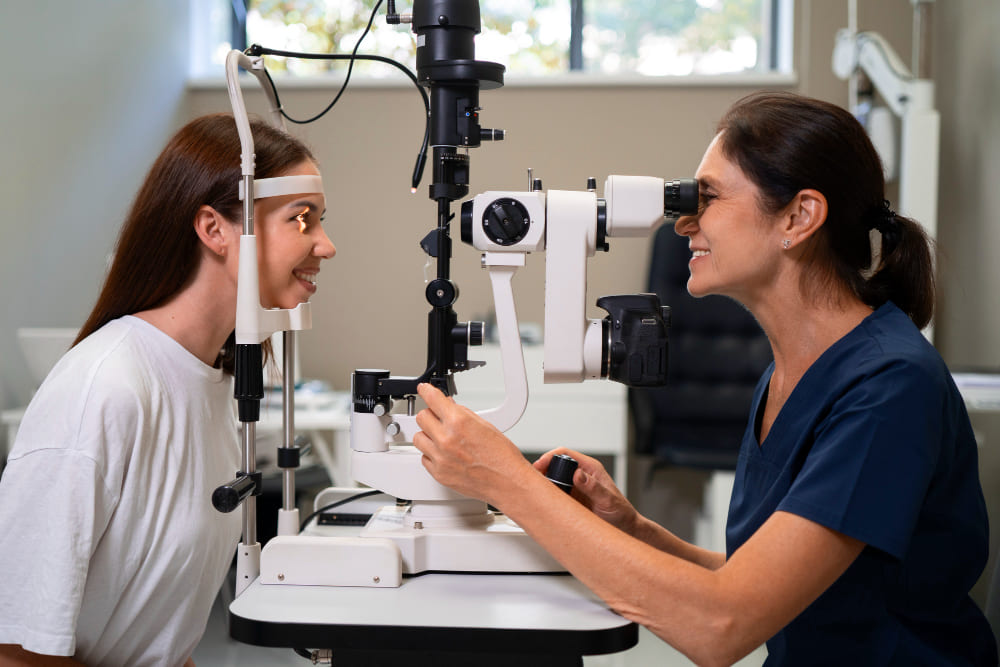
Picking an optician sounds simple until you actually try to do it. A quick search throws up a dozen options, most with near-identical websites promising the same things.
So how do you actually tell them apart? Here’s what’s worth paying attention to before booking your next eye exam in Birmingham.
Why the Choice Actually Matters
A basic vision check and a genuinely thorough eye exam aren’t the same appointment, even though they might look similar on paper. The difference shows up in what actually gets caught.
Conditions like glaucoma or early-stage macular degeneration often have no obvious symptoms early on. A proper comprehensive exam is sometimes the only reason they get spotted in time.
What to Look for in a Clinic
Proper diagnostic equipment
Ask what’s actually used during the exam. OCT scanning, for instance, gives a detailed look at the back of the eye that a standard check simply can’t match.
Qualified, experienced optometrists
Qualifications matter, obviously, but so does how long someone’s been practising. An optometrist who’s seen thousands of patients tends to catch subtler issues than one straight out of training.
Time spent with you
Rushed ten-minute appointments rarely leave room for proper discussion. A good exam includes time to actually talk through your history, your concerns, and any changes you’ve noticed.
Clear explanations, not jargon
You should leave understanding your own results. If a clinic can’t explain what they found in plain English, that’s worth noting.
Some of the Best Eye Clinics in Birmingham for Comprehensive Eye Exams Share Common Traits
Reputation counts for something, but it’s worth digging past star ratings alone. Look at how consistently reviews mention thoroughness, not just friendliness or speed.
Among the best eye clinics in Birmingham for comprehensive eye exams, a few things tend to come up repeatedly: modern equipment, unhurried appointments, and optometrists willing to answer follow-up questions without making you feel rushed.
What Happens During a Comprehensive Eye Exam
It’s more than reading letters off a chart. A thorough exam usually covers:
- A detailed history of your vision and general health
- Testing for both near and distance vision
- Eye pressure checks, which help screen for glaucoma
- A look at the retina and optic nerve
- A discussion of results and any recommended next steps
Skipping any of these narrows what the exam can actually pick up on.
When You Might Need Urgent Attention
Most eye care is routine, but not always. Sudden vision loss, flashes of light, or a painful red eye aren’t things to wait out until your next scheduled appointment.
Knowing where to find an emergency optician in Birmingham before you actually need one saves precious time if something does go wrong. It’s worth having that information ready rather than searching for it mid-crisis.
Questions Worth Asking Before You Book
A quick phone call or email before committing can tell you a lot. Worth asking:
- What equipment do you use for eye exams?
- How long is a typical comprehensive appointment?
- Can you see me quickly if something urgent comes up?
- Do you explain results clearly, or just hand over a prescription?
Clinics confident in their service tend to answer these without hesitation.
Book Your Comprehensive Eye Exam
Choosing the right clinic makes a genuine difference to what gets picked up during your exam, and how comfortable the whole process feels.
MW Phillips Opticians & Hearing Care offers thorough, unhurried eye exams across Birmingham, using modern diagnostic equipment and optometrists who take the time to explain everything clearly.
Visit mwphillipsopticians.co.uk to book your appointment today.