Skip to content


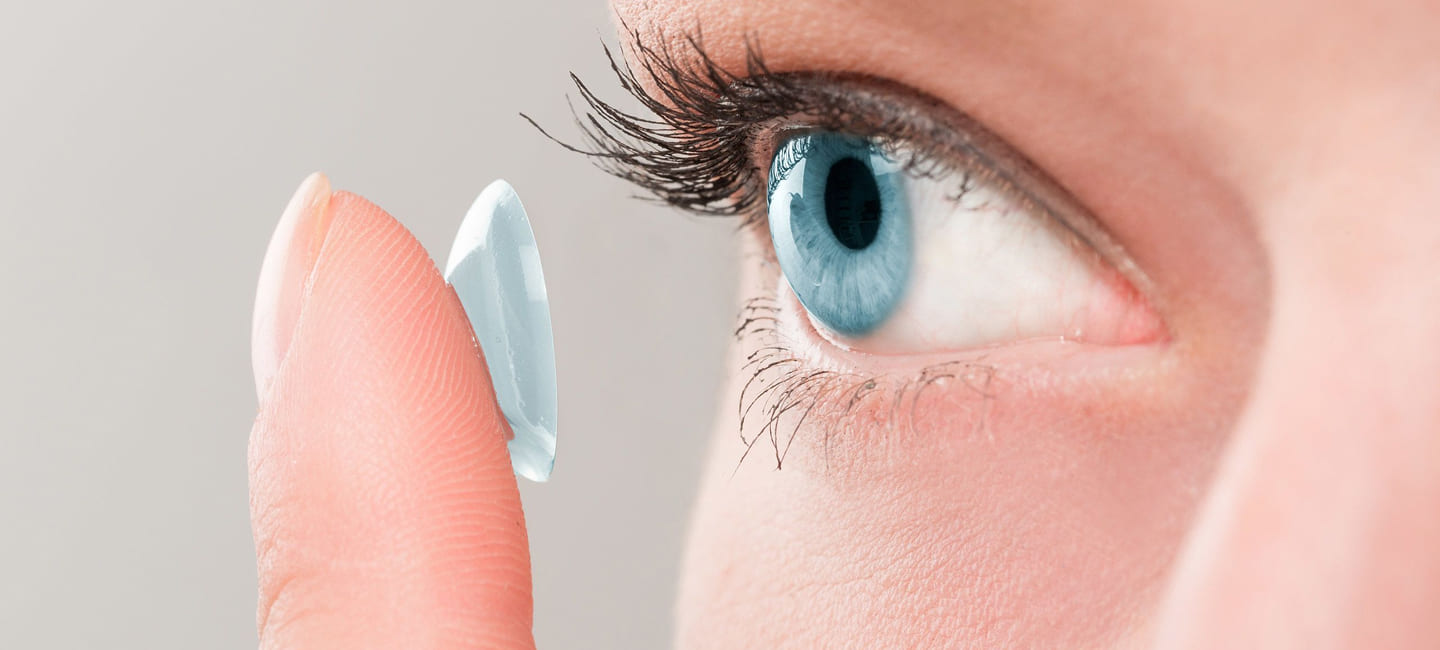
Contact lenses are small, comfortable and easy to forget about. That’s exactly why so many of us get lazy with them. A few bad habits are all it takes to turn a handy bit of kit into a sore, red, infected eye.
Here are seven of the most common mistakes, and what to do instead.
1. Sleeping in Your Lenses
It’s tempting after a late night. But unless your lenses are specifically designed and approved for overnight wear, sleeping in them cuts down the oxygen reaching your eyes and raises the risk of infection.
Take them out every night. If you do doze off, remove them as soon as you wake, and give your eyes a break with glasses.
2. Skipping the Hand-Washing
Your fingers carry bacteria, and your lenses sit directly on your eye. Wash your hands with soap and dry them on a lint-free towel before every insertion and removal.
It takes 20 seconds. It’s the easiest habit on this list.
3. Using Water or Topping Up Old Solution
Tap water isn’t safe for lenses or cases. It can carry organisms that cause serious eye infections. The same goes for rinsing a lens in your mouth or with saliva.
- Only use fresh lens solution recommended for your lenses
- Never top up old solution. Empty the case and refill it
- Rinse the case with fresh solution, then leave it open to air-dry
- Replace the case regularly, about once a month
Showering and swimming in lenses carries the same water risk, so take them out first, or wear goggles.
4. Wearing Lenses Past Their Replacement Date
Daily lenses are meant to be thrown away after one use. Monthly lenses last a month, not two. Stretching them builds up deposits and makes infections and discomfort more likely.
If cost is the temptation, speak to your optometrist. A different lens type or wearing schedule can sometimes help, without cutting corners on safety.
5. Skipping Aftercare Appointments
Lenses can feel fine while your eyes are quietly changing. Regular check-ups let your optometrist spot early problems and check that the fit and prescription are still right for you.
Your optometrist will tell you how often to come back. For most wearers, it’s about once a year.
6. Ignoring Symptoms and Carrying On
Redness, pain, a gritty feeling, unusual watering, sensitivity to light, or blurry vision aren’t things to push through. Take the lenses out and don’t put them back in.
If symptoms don’t settle quickly, or you have pain or reduced vision, get advice from an optometrist or urgent eye care straight away.
7. Buying or Switching Lenses Without Advice
Contact lenses are medical devices. They need to be fitted to your eyes and bought with a valid prescription. A different brand or material, even with the same numbers, can fit and feel quite differently.
Avoid buying from sellers who don’t ask for your prescription, and never share lenses or wear cosmetic lenses bought without a proper fitting.
How Much Is Eye Contact Lens Wear, Really?
It’s a fair question, and the answer depends on what you choose. Anyone asking how much eye contact lens wear is will usually find the cost splits into three parts.
- The lenses themselves, which vary by type, such as dailies, monthlies, or specialist designs
- Solution and cases, if you wear reusable lenses
- Fitting and aftercare appointments, which keep your eyes healthy and your prescription current
The cheapest lens on the shelf isn’t always the cheapest in the long run, so it’s worth thinking about the whole year. Ask your optometrist to explain how much contact lens wear is for your particular prescription and lifestyle.
Finding the Right Provider in Birmingham
If you want a proper fitting and ongoing support, look for a contact lens centre in Birmingham that offers fittings, trial lenses and regular aftercare, rather than just selling lenses.
MW Phillips Opticians & Hearing Care has branches in Birmingham, including Acocks Green and Handsworth. Its optometrists can talk you through the options and what suits your eyes and daily routine.
Quick Checklist for Safer Lens Wear
- Wash and dry your hands every time
- Take lenses out at night, unless approved for overnight wear
- Use fresh solution only, and never water
- Follow the replacement schedule
- Keep your aftercare appointments
- Remove lenses and get advice if your eyes hurt or look red
Why Choose MW Phillips Opticians & Hearing Care
Whether you’re a first-time wearer or you’ve worn lenses for years, MW Phillips Opticians & Hearing Care can check your fit, update your prescription, and answer the questions you’ve been meaning to ask.